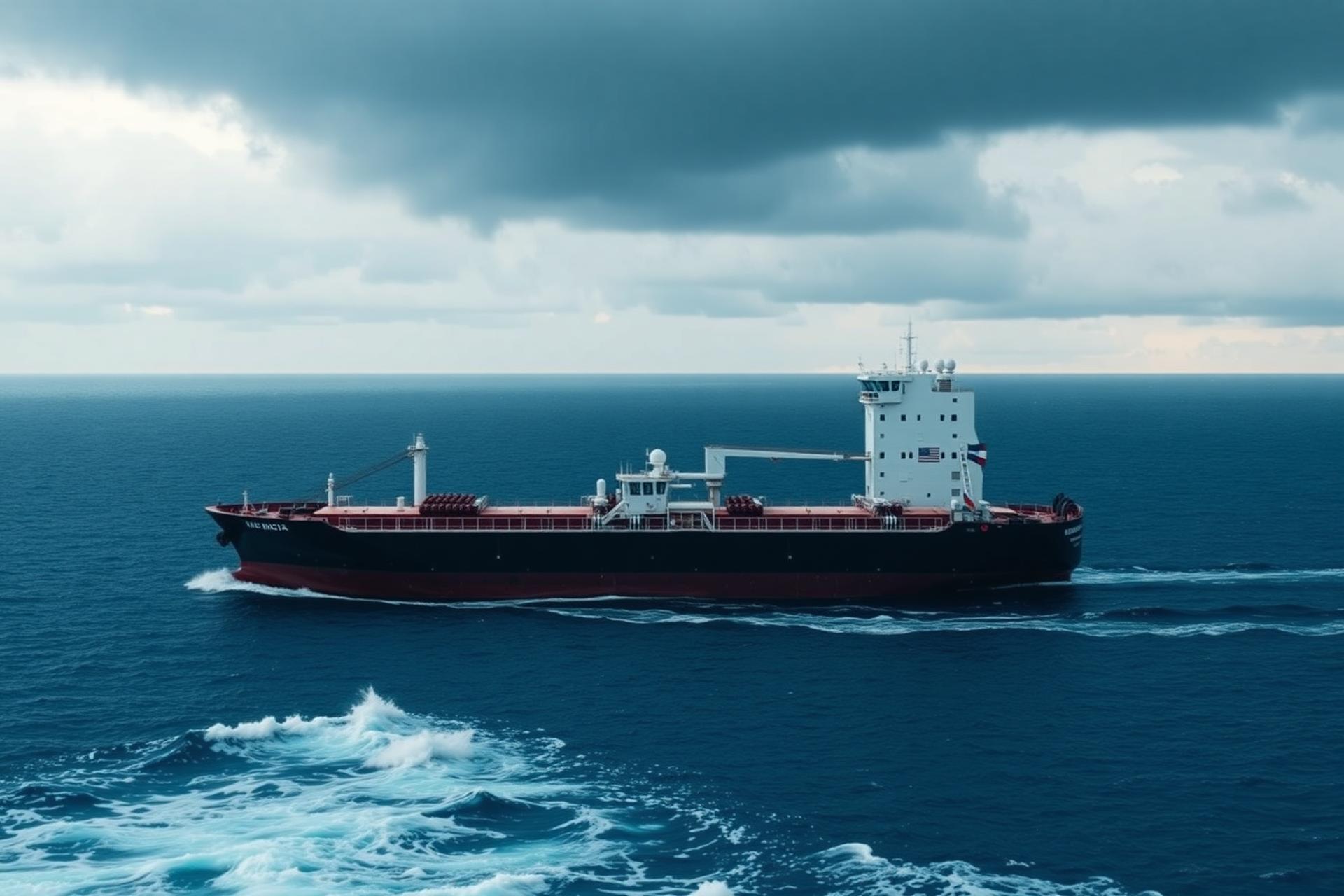
An industry that moves the world.
Greek-owned ocean-going shipping is the largest merchant fleet in the world — a strategic asset for Greece, a pillar of European trade, and a vital link in the global supply chain.
What is ocean-going shipping
Ocean-going shipping, explained
Ocean-going shipping — poντοπόρος ναυτιλία — refers to the merchant vessels that carry cargo across international waters between continents. These are the ships that transport crude oil, refined products, natural gas, iron ore, grain, coal, containers and finished goods around the world.
Around 90% of world trade travels by sea. Ocean-going shipping is the most efficient, safest and lowest-emission mode of transport for the vast majority of the world's cargo.
Tankers
Vessels carrying crude oil, refined petroleum products, chemicals and liquefied gas.
Bulk carriers
Ships transporting dry bulk cargo such as iron ore, coal, grain, bauxite and cement.
Containers & other
Container ships, gas carriers and specialised vessels serving global supply chains.
Maritime Cluster
The Greek maritime cluster
Around the Greek shipowning community stands one of the world's most complete maritime clusters: shipmanagement companies, brokers, classification, finance, insurance, legal services, ship supplies, technology providers, training institutions and — above all — Greek seafarers.
This ecosystem, concentrated in Piraeus and Athens, is a source of employment, expertise and value for the Greek economy and a global reference point for international shipping.